

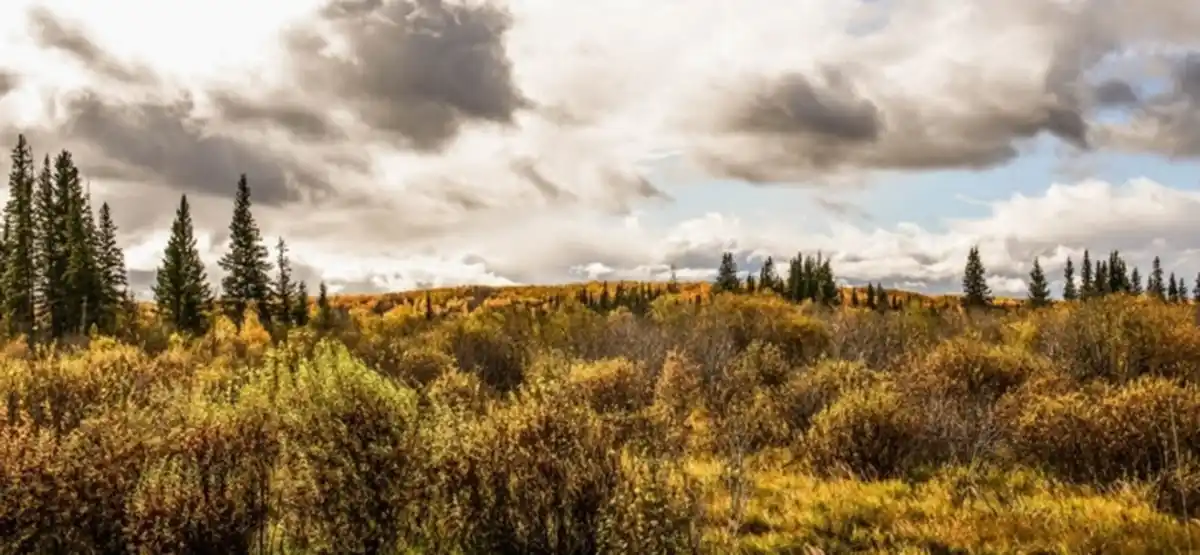
Gipsy-Gordon Wildland Provincial Park replaces smaller reserve
A new wildland provincial park southeast of Fort McMurray will protect more than 150,000 additional acres of northeastern Alberta wilderness.
The Gipsy-Gordon Wildland Provincial Park, announced in a July 16 government release, covers 186,739 hectares near the Alberta-Saskatchewan border. The park replaces the smaller Gipsy Lake Wildland Provincial Park, which was about 35,000 hectares.
The expanded park will protect habitat for 28 provincially or federally designated species at risk, including the yellow-banded bumble bee and olive-sided flycatcher. It encompasses 18 bird species, one fish species, one amphibian species, five invertebrates and five mammals considered threatened or at risk.
“This park will help protect our forests, preserve important habitat for wildlife and provide recreation opportunities for Albertans, all while supporting the exercise of Treaty rights by Indigenous Peoples,” said Rebecca Schulz, minister of environment and protected areas.
The park supports traditional Indigenous activities and Treaty rights, as well as backcountry recreation including hunting, fishing, trapping and motorized recreation on designated trails. New industrial and commercial land disturbances, including oil sands and mineral development, are prohibited except where existing agreements continue under the Lower Athabasca Regional Plan.
Forestry is also prohibited except for wildfire management and control of insects and disease.
Brian Jean, MLA for Fort McMurray-Lac La Biche and minister of energy and minerals, thanked the environment department for consultation on the expanded park.
The park was originally established as a conservation area under the Lower Athabasca Regional Plan. Formal designation as a protected area allows the Provincial Parks Act to support long-term management of the area.
Alberta has 34 wildland provincial parks designed to conserve natural heritage while offering backcountry recreation opportunities on relatively undisturbed lands.


Southwest Alberta News, Features and Events
-
 K’s Thomson closes CFR with top ride of his week
-
 Ridge Flundra finishes second in Canada at first CFR
-
 Ridge Flundra places second again as CFR heads into final day
-
 RCMP step up highway enforcement for Thanksgiving weekend
-
 Help after sexual violence can start with an anonymous call
-
 Opinion: The truth still counts
-
 Opinion: Don’t let Al Gorithm choose your news
-
 How to protect farm fuel and equipment from theft this harvest
-
 Tough night for Flundra and Thomson in CFR round two
-
 Livingstone Ladies sew care bags for women’s shelter
-
 Flundra and Thomson cash in on CFR opening night
-
 Concert helps Care Bear drivers keep up with gas prices


Southwest Alberta Municipal News


Government of Alberta News

Alberta RCMP

Obituaries

Opinions

Gipsy-Gordon Wildland Provincial Park replaces smaller reserve
A new wildland provincial park southeast of Fort McMurray will protect more than 150,000 additional acres of northeastern Alberta wilderness.
The Gipsy-Gordon Wildland Provincial Park, announced in a July 16 government release, covers 186,739 hectares near the Alberta-Saskatchewan border. The park replaces the smaller Gipsy Lake Wildland Provincial Park, which was about 35,000 hectares.
The expanded park will protect habitat for 28 provincially or federally designated species at risk, including the yellow-banded bumble bee and olive-sided flycatcher. It encompasses 18 bird species, one fish species, one amphibian species, five invertebrates and five mammals considered threatened or at risk.
“This park will help protect our forests, preserve important habitat for wildlife and provide recreation opportunities for Albertans, all while supporting the exercise of Treaty rights by Indigenous Peoples,” said Rebecca Schulz, minister of environment and protected areas.
The park supports traditional Indigenous activities and Treaty rights, as well as backcountry recreation including hunting, fishing, trapping and motorized recreation on designated trails. New industrial and commercial land disturbances, including oil sands and mineral development, are prohibited except where existing agreements continue under the Lower Athabasca Regional Plan.
Forestry is also prohibited except for wildfire management and control of insects and disease.
Brian Jean, MLA for Fort McMurray-Lac La Biche and minister of energy and minerals, thanked the environment department for consultation on the expanded park.
The park was originally established as a conservation area under the Lower Athabasca Regional Plan. Formal designation as a protected area allows the Provincial Parks Act to support long-term management of the area.
Alberta has 34 wildland provincial parks designed to conserve natural heritage while offering backcountry recreation opportunities on relatively undisturbed lands.

You must be logged in to post a comment.
Southwest Alberta News, Features and Events
- K’s Thomson closes CFR with top ride of his week
- Ridge Flundra finishes second in Canada at first CFR
- Ridge Flundra places second again as CFR heads into final day
- RCMP step up highway enforcement for Thanksgiving weekend
- Help after sexual violence can start with an anonymous call
- Opinion: The truth still counts
- Opinion: Don’t let Al Gorithm choose your news
- How to protect farm fuel and equipment from theft this harvest
- Tough night for Flundra and Thomson in CFR round two
- Livingstone Ladies sew care bags for women’s shelter
- Flundra and Thomson cash in on CFR opening night
- Concert helps Care Bear drivers keep up with gas prices
Alberta and Beyond News, Features and Events
-
 Community celebrates completion of Allison Falls Trail
-
 Adaptable Outdoors wraps season with 300 experiences delivered
-
 Pincher Creek area under fire restriction
-
 Park Guardian Program supports clean green spaces
-
 Bear advisory issued for Alberta’s backcountry and outdoor areas
-
 Volunteers drive Star Creek Trail upgrades for improved hiking experience in Crowsnest Pass
-
 Heed the heat — tips to keep dogs cool and hydrated
-
 Crowsnest to see hiking trail improvements this summer
-
 Safe adventuring
-
 Summer paddling opportunities
-
 Take river safety seriously
-
 Alberta Conservation reminds us to be bear smart


Southwest Alberta Municipal News
Government of Alberta News
Alberta RCMP
Obituaries
You must be logged in to post a comment.